

Many homeowners take great satisfaction in having a lush, green lawn, but occasionally, an unforeseen invasion can transform that idea into a nightmare. Lawn rust, a common fungal illness that appears as orange or rust-colored powder on your grass blades, is one such unwanted guest. In this blog, we will go into the definition of lawn rust, its causes, and lawn rust treatment.

Understanding Lawn Rust
A variety of fungal species, usually belonging to the Pucciniales order, are responsible for the fungus that causes this lawn rust disease. Since these fungi prefer warm, humid environments, late summer and early autumn are especially risky times for your lawn. The disease’s rust-colored spores, which resemble fine powder on grass blades, are what give it its name. Lawn rust can impact many different kinds of grass, but it most frequently strikes tall fescue, perennial ryegrass, and Kentucky bluegrass.
Lawn Rust Causes
Lawn rust develops as a result of several circumstances. Developing a successful treatment approach requires an understanding of these causes. These are some typical causes for rust to appear on your lawn:
1. Weather Conditions
Warm, humid weather is ideal for lawn rust growth. The fungus can develop and spread more easily in your area if there are prolonged periods of high humidity, particularly when the temperature is between 60°F and 75°F.
2. Poor Air Circulation
One of the main causes of lawn rust is inadequate air circulation around your grass. Dense vegetation, towering thatch, or crowded grass can all contribute to the fungus’s ability to spread quickly.
3. Nutrient Deficiency
The grass may become weaker and more prone to disease if the soil is deficient in important nutrients, especially nitrogen. It takes proper fertilization to keep your lawn healthy and to stop rust.

4. Overwatering
Overly wet grass blades are a perfect environment for lawn rust to grow. Watering in the evening or in excess can foster an environment that is favorable to the growth of the fungus.
Treatment and Prevention
Now that we are aware of the reasons let us examine practical methods for curing and avoiding grass rust:
1. Fungicide Application
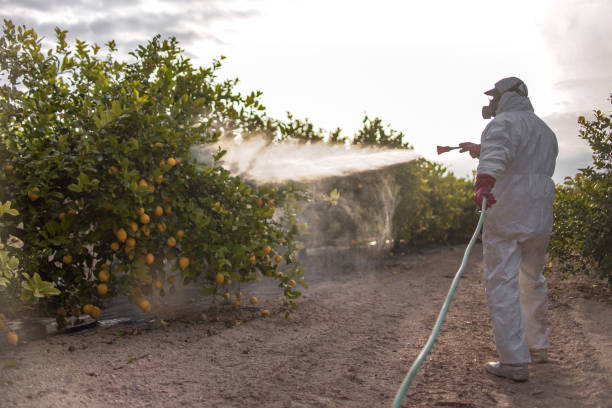
Fungicide treatment is one of the most popular approaches to treating grass rust. Search for products designed especially to fight rust-related illnesses. As directed by the manufacturer, apply the fungicide, being sure to repeat the application as needed.
2. Improve Air Circulation
Regularly mow your lawn at the height advised for your particular type of grass to improve airflow around it. Aeration and thatch removal can also help improve air circulation, which will make the climate less conducive to lawn rust.
3. Proper Watering Practices
To reduce the amount of moisture on the grass blades, modify your watering schedule. To ensure that the grass has enough time to dry during the day, water your lawn first thing in the morning. To avoid persistent damp circumstances, avoid watering in the evening.
4. Fertilization
Keep up a regular fertilization schedule to guarantee that your lawn gets the nutrients it needs. Fertilizers high in nitrogen can fortify the grass and increase its resistance to fungi that cause diseases like rust.
5. Reseeding
If there has been significant damage from the lawn rust, you might want to reseed with rust-resistant grass species. To determine which type of grass is best for your area, speak with an agronomist or the garden center in your area.

Wrap Up
While grass rust may appear to be a powerful enemy, you can maintain the health and vibrancy of your lawn by being aware of its threats and taking preventative action. The keys to both preventing and treating this orange scourge are regular care, proper watering, and a well-balanced fertilization schedule. You can take back your green haven and have a year-round, lush, rust-free lawn by following these tips. If you are looking for garden maintenance in Dubai or indoor plants in UAE, check out Afnan Garden Design for all your garden-related needs.
