
Managing water efficiently is crucial for today’s agriculture. One solution that’s really catching on is HDPE irrigation. HDPE, which stands for High-Density Polyethylene, is a fantastic thermoplastic known for being strong, flexible, and chemical-resistant. When farmers, landscapers, and municipalities use HDPE pipes in their irrigation systems, they opt for a sustainable solution built to last.
In this blog, we explore what HDPE irrigation is, the key benefits of HDPE pipes, their various applications, and how HDPE pipe UV resistance makes them ideal for outdoor use.
What Is HDPE Irrigation?
HDPE irrigation is all about using HDPE pipes to help water our agricultural and landscape irrigation systems. These amazing pipes carry water from main sources like wells, reservoirs, or municipal supplies straight to the fields or gardens that need hydration.
Unlike traditional materials, HDPE pipes are crafted from a high-density version of polyethene, making them super durable and flexible. This exceptional quality makes them a fantastic choice for various irrigation methods, including drip irrigation, sprinkler systems, flood irrigation, and subsurface irrigation.
HDPE Pipe Benefits in Irrigation Systems
One of the biggest reasons why HDPE pipes shine in irrigation systems is their fantastic range of benefits. Here are some of the advantages of HDPE pipes:
1. Flexibility and Ease of Installation
HDPE pipes come in handy coils, making them easy to handle while minimizing the number of joints needed. Thanks to their flexibility, they can effortlessly bend around obstacles, which helps to cut down on the need for additional fittings and joints. This feature is handy when dealing with rough or uneven terrain.
2. Corrosion and Chemical Resistance
Unlike metal pipes, HDPE pipes don’t corrode or rust over time. They are also resistant to various chemicals commonly found in fertilizers and pesticides, making them perfect for agricultural settings.
3. Leak-Free Joints
HDPE pipes are combined through heat fusion, creating a seamless and leak-free connection. This process helps reduce water loss and decreases maintenance costs, making everything easier for you.
4. Durability and Longevity
HDPE pipes typically last 50 to 100 years, depending on their use and the surrounding environment. They’re designed to withstand high pressure and tough climates, which makes them a great choice for long-term irrigation systems.
If you have an irrigation system with leaked HDPE pipes and you’re looking for reliable HDPE fixing services in Dubai, Afnan Garden Design is here to help!
HDPE Pipe Uses in Agriculture and Beyond
The use of HDPE pipes extends beyond just farms. Let’s look at some common applications:
Drip and Sprinkler Irrigation
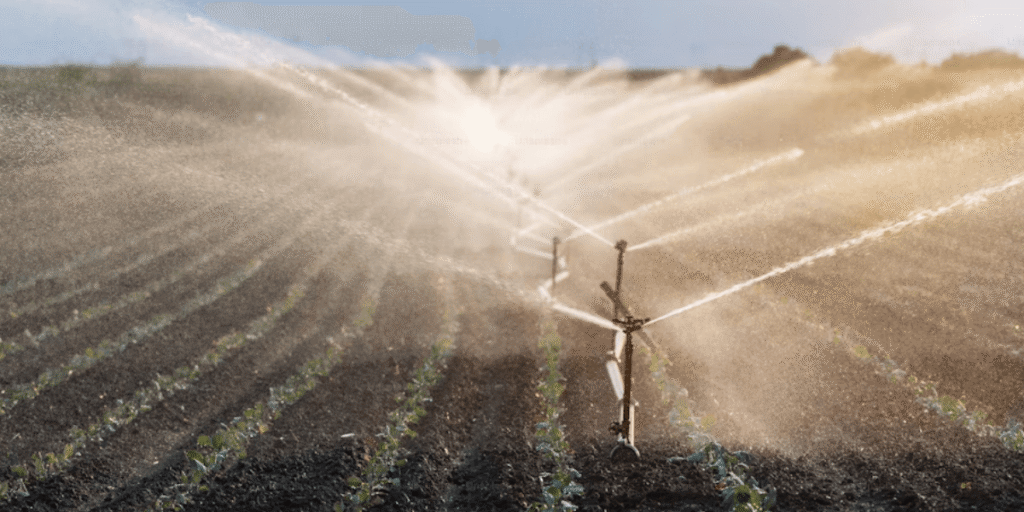
HDPE pipes are popular for drip irrigation systems, allowing water to reach the plant’s root zone directly. They’re also great for sprinkler irrigation since they can handle water pressure and adapt to weather conditions.
Landscape and Garden Irrigation
HDPE pipes are ideal for residential and commercial landscaping due to their flexibility and aesthetic adaptability.
Greenhouses and Nurseries
HDPE piping systems help maintain optimal watering schedules in controlled environments like greenhouses, ensuring plants receive precise hydration.
Municipal Water Supply
HDPE pipes are a fantastic choice for urban water distribution systems thanks to their leak-free design and ability to resist contamination.
Importance of HDPE Pipe UV Resistance for Irrigation
When pipes are exposed to sunlight for extended periods, UV radiation can degrade materials, especially plastics. However, HDPE pipe UV resistance ensures long-term performance even under direct sunlight.
Manufacturers often add carbon black or other UV stabilizers to enhance this feature during production. This UV resistance is vital for above-ground applications where HDPE pipes are laid across fields or gardens.
Environmental Impact and Sustainability
HDPE is recyclable and requires less energy than metal or concrete alternatives. Additionally, its leak-proof system helps conserve water, making it a more sustainable option for irrigation.
Many farmers and contractors also appreciate that HDPE pipes reduce the need for frequent replacements and repairs, thus lowering their carbon footprint over time.
Final Thoughts
HDPE irrigation systems offer a modern, efficient, and sustainable solution for water distribution in agriculture and landscaping. They surpass traditional piping systems with benefits like flexibility, chemical resistance, and leak-free connections. Coupled with their durability and UV resistance, HDPE is the preferred material for global irrigation projects. Whether managing a small garden or a large estate, knowing the uses and advantages of HDPE pipes helps you make informed irrigation decisions.
If you’re considering an irrigation system, Afnan Garden Design should be your top choice. As a leading landscaping company in Dubai, we have a long track record of successfully completing numerous projects like yours!
