
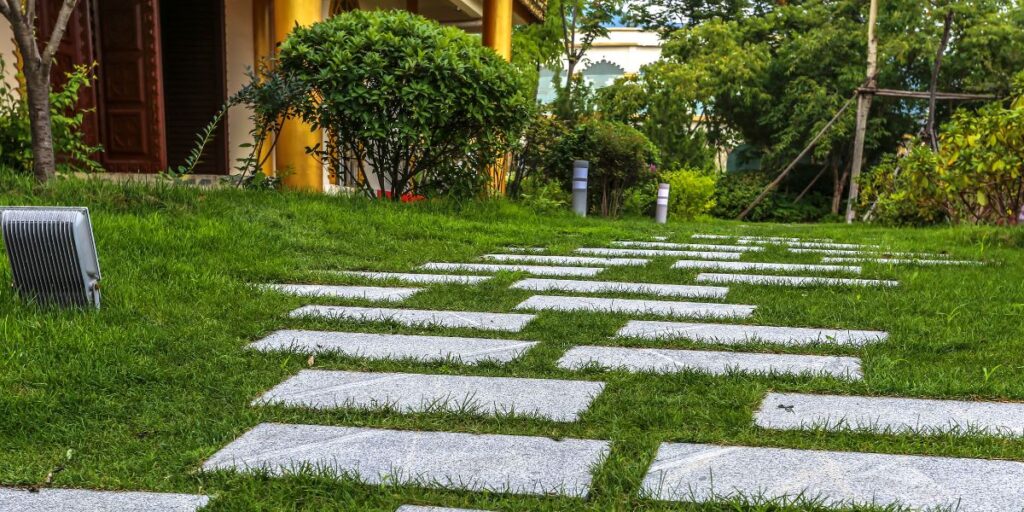
A garden path needs to look good and withstand the elements. In Dubai’s sun, sand, and occasional heavy use, choosing the right tile design and material matters more than a pretty pattern. This guide walks you through the most durable outdoor tile types, a practical comparison of garden tile materials, and a clear checklist for choosing garden tiles that last and stay safe.
Read on to pick a path that handles heat, foot traffic, and low maintenance without compromising style.
Why Durability Matters For Dubai Gardens
Dubai’s climate brings intense sun, high UV exposure, temperature swings between day and night, and wind-blown grit. Those conditions accelerate fading, surface wear, and grout deterioration if you pick the wrong material.
Durable choices resist water and sand ingress, withstand heat, and are easy to repair or replace when needed. For desert-proof outdoor tile recommendations and heat-resistant options, porcelain and select natural stones are often preferred!
Most Durable Types of Outdoor Tiles
Porcelain Pavers (Engineered Porcelain)
Porcelain pavers are one of the most reliable options for outdoor garden paths. They’re dense, have very low water absorption, and resist fading and stains, qualities that keep them stable in high-UV, arid environments. Porcelain also offers many finishes (textured, brushed, or anti-slip) and can mimic stone or wood while being easier to maintain!
Pros
- Very low porosity and high abrasion resistance
- Wide range of colors and surface textures
Cons
Higher upfront cost than basic concrete; requires a correct substrate and installation
Natural Stone: Granite, Travertine, Slate
Granite is extremely hard and scratch-resistant, making it ideal where durability is non-negotiable. Travertine is popular for outdoor furniture areas and pool surrounds due to its cool surface underfoot; however, it is more porous and requires sealing and periodic maintenance to maintain its appearance. Slate provides a textured, natural finish but may require careful sealing, depending on the grade.
Interlocking Concrete Pavers
Interlocking pavers are modular pieces designed to lock together, distributing loads and allowing localized repairs, great for high-traffic garden routes and driveways. They’re cost-effective and come in many shapes and finishes. For resilient, replaceable paving with straightforward installation, interlock systems shine!
Other Durable Options
Quarry tiles and specially formulated outdoor ceramics can be used in covered or semi-enclosed garden areas. Brick pavers remain a classic, durable option for informal paths, but need proper base preparation to avoid shifting.
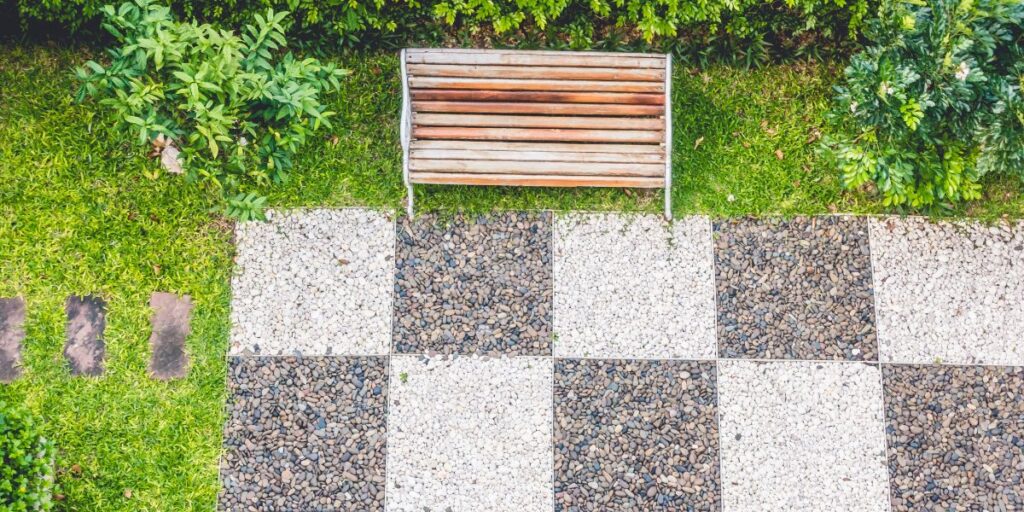
Comparison of Garden Tile Materials
- Porcelain: Low maintenance, very durable, best for exposed areas.
- Granite: Extremely durable, with a premium look.
- Travertine: Comfortable underfoot; needs sealing.
- Interlocking concrete: Cost-effective, repairable, and versatile.
- Ceramic/quarry: Good for shaded spots; check frost/water ratings.
How to Choose Garden Tiles
- Climate suitability: Select low-absorption materials (such as porcelain or granite) for areas with extreme sun and heat.
- Slip resistance: Choose tiles rated for exterior use (R10–R11 or higher for exposed areas) to prevent slips when wet or dusty.
- Thickness & load: Use 20mm (2cm) porcelain pavers or thicker units for heavy foot traffic or occasional service access!
- Finish & texture: A matt or textured finish improves grip; avoid high-gloss outdoors.
- Maintenance needs: Natural stones may require sealing; factor in the associated cost and upkeep.
- Installation quality: Even the best tile fails on a poor base. Ensure that contractors use proper bedding, drainage, and jointing materials.
- Aesthetic consistency: Match tile size, grout width, and pattern to the scale of the garden and plantings.
If you’re considering robust, replaceable paving for busy terraces or walkways, go with tile interlock flooring in Dubai; it combines durability with fast repairs and flexible patterns. The best part is that Afnan Garden Design can help specify and install this.
Cost Vs. Lifespan
Think long-term: a slightly higher initial investment in porcelain or granite often pays off through lower maintenance and a longer lifespan compared to cheaper materials that may stain, crack, or require frequent replacement.
Installation Tip
Insist on an installer who prepares a compacted base, uses correct bedding mortar or pedestal systems (for pavers), and leaves expansion joints where required. Correct installation prevents movement, cracking, and water pooling.
Safety Note
For paths leading to water features or pool areas, prioritize higher slip-resistance ratings and textured finishes.
FAQs
Q1: Are porcelain pavers a good choice for garden paths in Dubai?
Yes, porcelain’s low porosity and UV-stable finishes make it excellent for Dubai’s climate.
Q2: Do natural stones need sealing?
Many do, travertine and some slates benefit from periodic sealing to reduce staining and water ingress.
Q3: Can interlocking pavers handle vehicle access?
Certain interlock systems designed for load-bearing use can handle light vehicle traffic; choose the correct grade and base!
Q4: Which material needs the least maintenance?
Porcelain generally requires the least upkeep, sweep and occasional wash; grout maintenance is the main task!
Q5: What’s the best choice for a budget-friendly, durable path?
Interlocking concrete pavers offer a strong balance of cost, durability, and ease of repair!
Final Thoughts
Durable garden paths in Dubai start with materials designed for sun, sand, and heavy use, such as porcelain pavers, granite, and high-quality interlocking systems. Use the checklist above when selecting tiles, insist on correct installation, and factor in the lifetime cost over the initial price.
For professional help with design, selection, and installation, connect with our professionals at Afnan Garden Design. We offer durable tile solutions with our reliable landscaping services in the UAE.
