
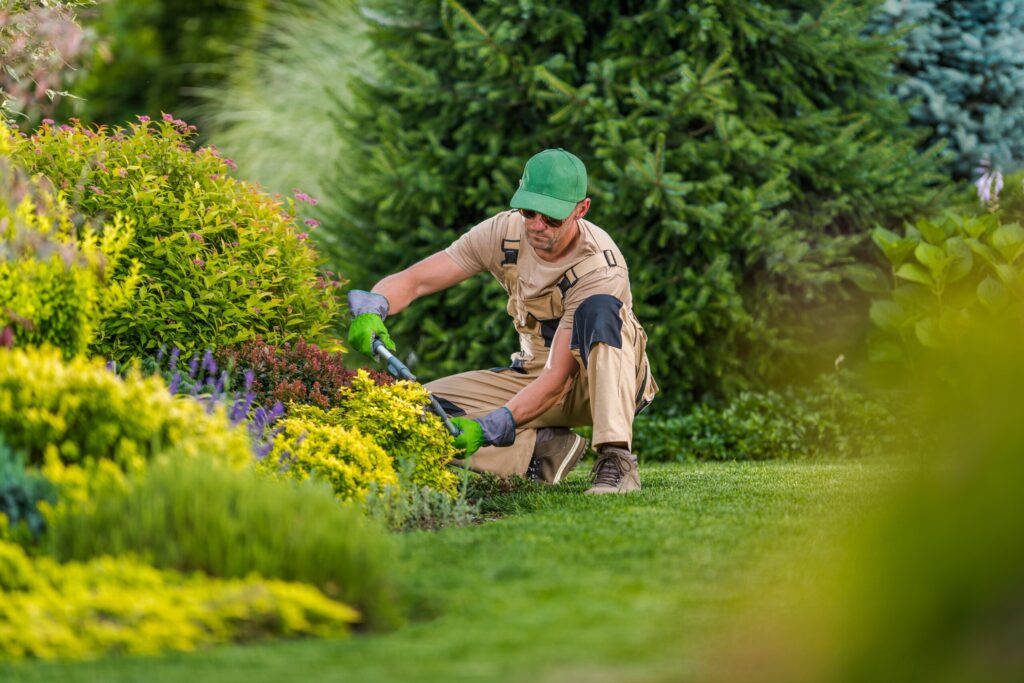
The unsung heroes of the garden are shrubs; they give outdoor areas structure, privacy, and beauty. However, they can easily get overgrown if they do not receive the right attention and upkeep. Not only is pruning necessary to keep shrubs looking and feeling good, but it also encourages new growth and blooming. In this comprehensive blog, we will go over everything you need to know to become an expert in trimming bushes.
1. Understand the Basics
It is important to know your shrubs’ growth habits, pruning demands, and particular requirements before you start trimming them. Find out when is the best time to prune your type of shrub by researching it; this will depend on whether it blooms on fresh or old wood.
2. Invest in the Right Tools
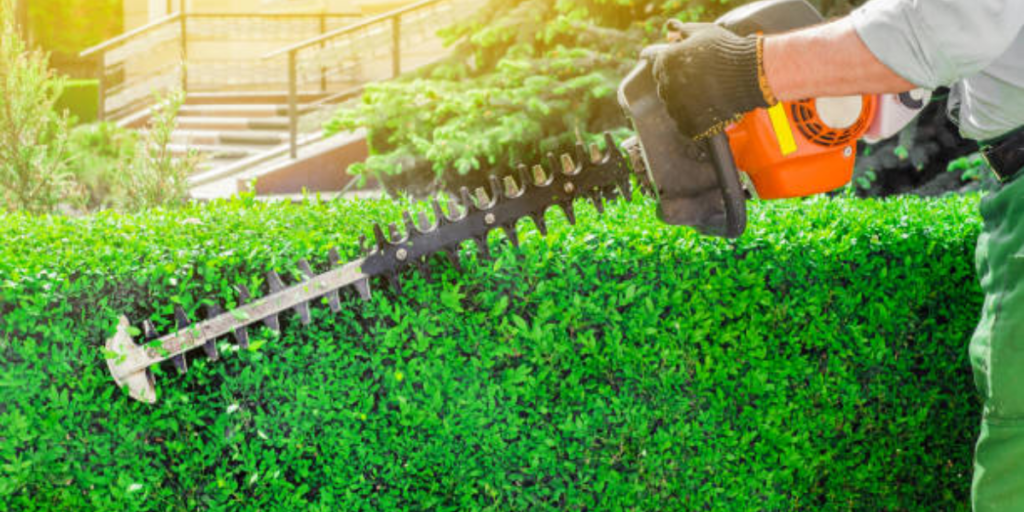
When it comes to pruning shrubs, having the right equipment for the job can make all the difference. Get top-notch hedge trimmers, loppers, pruning saws, and shears to handle bushes of various shapes and sizes. You can minimize harm to the plant and guarantee clean cuts by keeping your instruments sharp and well-maintained.
3. Start with a Plan
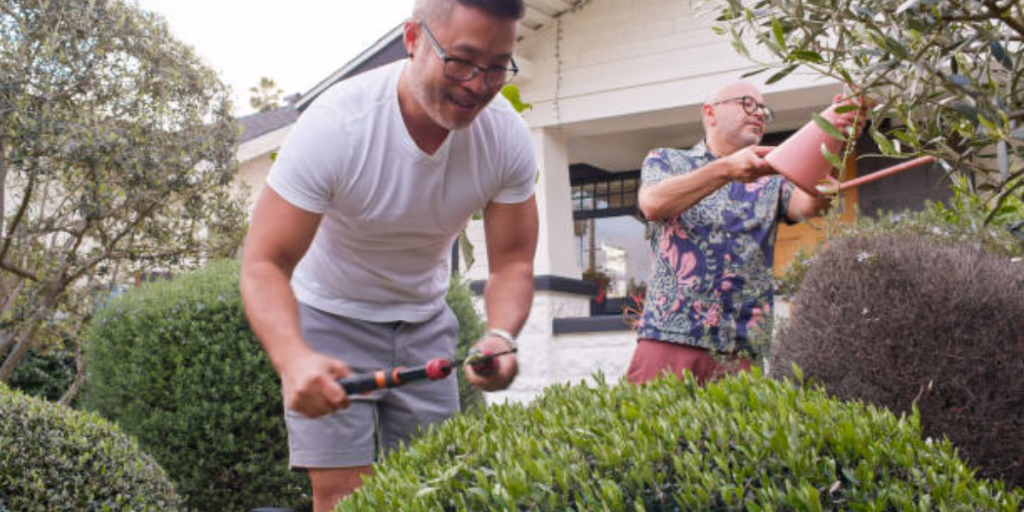
Step back and evaluate the shape and structure of your shrub before making any cuts. Establish your planned outcome and note any overgrown, unhealthy, or dead branches that should be cut off. Having a well-defined plan from the outset will enable you to accomplish your desired results while maintaining the plant’s health and natural state.
4. Follow Proper Techniques
It is crucial to trim shrubs using the right methods to prevent harm to the plant and encourage strong development. Just above a node or bud, make clean, 45-degree incisions to promote new development and guard against diseases. Remove any branches that cross or rub against one another to increase air circulation and lower the chance of pest infestations.
5. Know When to Prune
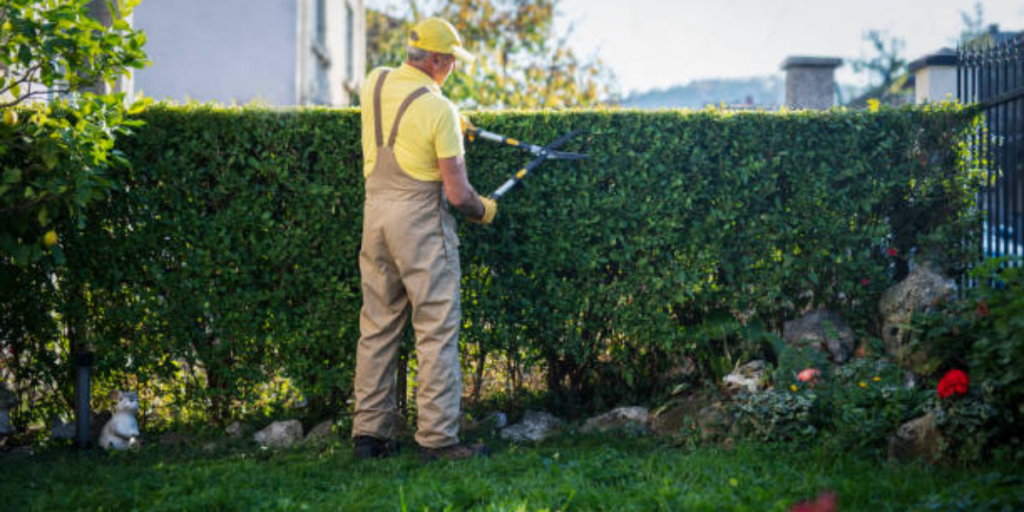
The health and flowering of your shrubs can be greatly affected by the time of pruning. Summer-flowering shrubs can be clipped in late winter or early spring before new growth starts, whereas spring-flowering shrubs should generally be pruned after they have finished blooming. To reduce stress on the plant, refrain from pruning during severe weather or dry spells.
6. Consider the Shape and Size
When pruning shrubs, keep their size and spread controlled while preserving a natural, balanced shape. Use selective pruning to trim down thick growth and get rid of any undesired or excessive branches. When making pruning decisions, consider the shrub’s overall shape to promote strong branching and blooming.
7. Don’t Overdo It
It is crucial to avoid going overboard while cutting your shrubs, even though it can be tempting to do so. Removing too much foliage at once may cause the plant to become weaker and less able to recover. Rather, choose to prune the shrub gradually over time to get the size and form you want while still letting it grow back and adapt.
8. Clean Up Afterwards
Be sure to clear up any debris and dispose of it appropriately after cutting your shrubs. This will not only make your garden look better but also lessen the chance that diseases and pests may infect other plants. Composting organic debris can also make rich mulch for your garden beds.
9. Practice Patience
Lastly, keep in mind that it takes time and effort to become an expert shrub trimmer. If your initial attempts do not produce flawless results, do not give up; with perseverance and patience, you will gain confidence and proficiency in pruning shrubs to perfection.
Wrap Up
Pruning shrubs involves knowledge, talent, and patience and is both an art and a science. You can master the art of shrub trimming and maintaining the best-looking yard all year round by learning the fundamentals, investing in the correct tools, and using the right techniques. So, prepare to create artistic shrub sculptures with your pruners! If you still need extra help and are looking for a good garden maintenance company in Dubai, look no further than Afnan Garden Design to get the work done for you.
