
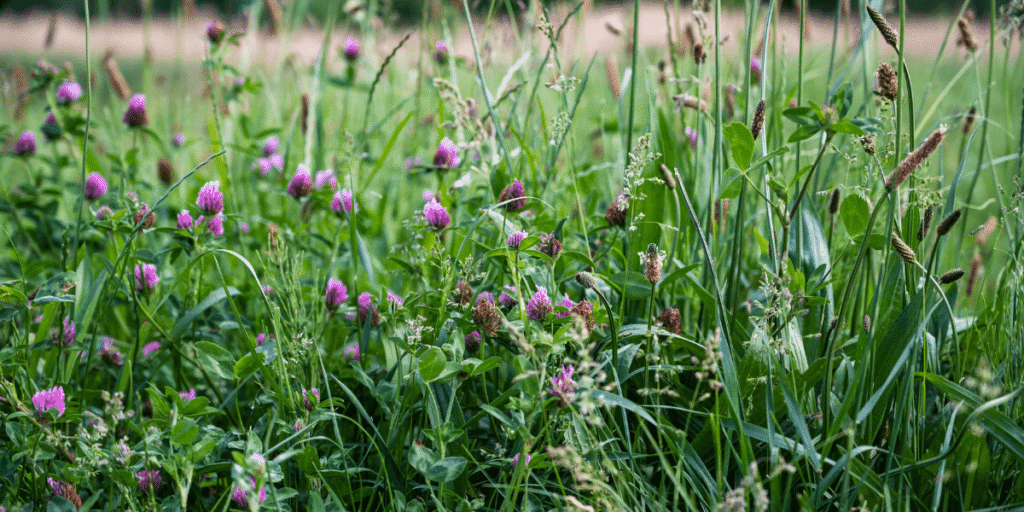
Maintaining a beautiful lawn isn’t always easy, especially when wild grass starts popping up everywhere. If you’ve ever wondered how to remove wild grass from the lawn, you’re not alone. Wild or invasive grasses can take over fast, making your turf look uneven, unhealthy, and untidy.
When wild grass invades your lawn, it can quickly turn a lush green carpet into a patchy mess. These grasses compete with your desirable turf for nutrients, water, and sunlight. If you’re dealing with crabgrass, quackgrass, or other stubborn species, understanding how to tackle them effectively makes all the difference.
Continue reading to learn effective lawn weed and grass removal tips to prevent future outbreaks and help you enjoy a healthier, greener lawn.
Understanding Wild Grass in Lawns
Here’s how to understand the wild grass in lawns:
What Is Wild or Invasive Grass?
Wild grass refers to tall or fast‑spreading grass types that weren’t intentionally planted in your lawn. These wild grasses often spread rapidly, crowding out your desired turf and creating uneven patches that can ruin your lawn’s appearance.
Common examples include crabgrass, foxtail, and quackgrass. These grasses tend to be more aggressive and invasive than regular lawn grasses, which is why they require targeted control methods to prevent them from overtaking healthier, more desirable grass species in your yard.
Why Is Wild Grass a Problem?
Wild grass can compete with your lawn for essential nutrients, leading to uneven growth and a patchy, unkempt appearance. This imbalance can also make mowing and other lawn care routines more difficult and time-consuming.
Over time, these issues decrease the overall visual appeal of your lawn, reducing its attractiveness and potentially affecting curb appeal. Understanding what the problem is about is the first step towards solving it.
Step‑by‑Step Guide to Removing Wild Grass
Here’s a step-by-step guide to removing wild grass. Read about it below:
Step 1: Identify the Grass Type
It’s crucial to understand the specific type of wild grasses you are dealing with, as different species respond best to particular control methods. Proper identification helps ensure you choose the most effective techniques to manage and eliminate these unwanted plants. Look at:
- Height of the grass
- Thickness and texture of blades
- How fast does it spread?
Once you’ve identified the species, you can target it more effectively.
Step 2: Hand Pulling for Small Areas
Pulling might be the simplest solution in many cases. To ensure effectiveness, remove any unnecessary or obstructive elements that could interfere with the process. Carefully assess the situation and proceed with a straightforward pulling approach, as this often yields the quickest and most efficient results. Make sure to:
- Remove the entire root system
- Pull when the soil is moist
- Use gloves and tools for deeper roots
This physical removal method is effective for isolated patches.
Step 3: Mowing Smartly
To better manage the wild grasses in your yard or field, it’s helpful to set your mower to cut higher. This prevents the grasses from becoming overly tall and unmanageable, promoting healthier, more uniform growth:
- Set your mower to a higher cut height, and longer grass shades out weed seeds
- Mow regularly to prevent seeding
- Avoid cutting too low, which stresses your turf
Proper mowing helps your lawn grass outcompete wild species naturally.
Step 4: Use Targeted Herbicides
Using products that are specifically labeled for lawn weed control can be highly effective. When choosing these products, make sure they match your grass type and follow the instructions from the manufacturer. Proper application can help manage and reduce weeds, leading to a healthier, more attractive lawn. Choose products labeled for:
- Lawn weed and grass removal
- Specific wild grass species you’re targeting
Apply carefully and always follow the product instructions to avoid harming your desirable grass.
Step 5: Improve Lawn Health
A healthy, lush lawn serves as your best defense against wild weeds, pests, and invasive species, helping to maintain a vibrant and resilient outdoor environment. Here’s what to do:
- Aerate compacted soil
- Fertilize appropriately
- Water deeply but less frequently
Healthy turf crowds out invasive grasses and reduces the likelihood of their return.
Preventing Future Wild Grass Growth
Here’s how to prevent wild grass growth.
Regular Lawn Maintenance Matters
One of the best strategies for controlling invasive grass species is consistent lawn care. Regular maintenance helps keep your turf thick and resilient. Practices to adopt include:
- Seasonal aeration
- Overseeding bare spots
- Balanced fertilization
These steps prevent weak areas where wild grasses like to take hold.
Watering Wisely
Lawns that receive excessive or uneven watering often become weak, stressed, and less resilient. This weakened condition makes the grass more vulnerable to various problems, such as disease, pests, and unwanted grass species, ultimately compromising the health and appearance of the lawn. Aim for:
- Deeper watering sessions
- Watering early in the morning
- Avoiding frequent light watering
This encourages deep root growth for your lawn grass, making it harder for wild species to establish.
Natural Wild Grass Removal Methods
If you want to avoid chemicals, there are natural options. These include:
- Solarization, covering the area with plastic to heat and kill the grass
- Vinegar or boiling water applications (spot treatments)
- Manual dethatching
These methods are best suited for smaller areas or for use in combination with other strategies.
When to Seek Professional Help
Sometimes, despite your best efforts, persistent wild grass keeps emerging and spreading, demanding continuous maintenance and vigilance to control its growth and prevent it from overtaking your carefully cultivated garden. In such cases, consider hiring lawn care professionals who specialize in:
- Lawn weed and grass removal
- Soil testing and custom treatment plans
- Long‑term lawn maintenance for wild grass removal
They have the expertise to carefully evaluate your lawn’s specific requirements, such as soil type, grass condition, and climate factors, and then apply customized, professional treatments to ensure optimal health and appearance.
If you want garden maintenance in Dubai, professionals like Afnan Garden Design can help restore your lawn and ensure ongoing care to prevent wild grass from returning. Our expertise in local climate conditions makes them a great choice for tackling persistent lawn issues.
Tips for Long‑Term Lawn Success
Here are some of the tips that will help with your long-term lawn success:
Reseeding Bare Spots
After removing wild grass, bare patches can attract more unwanted species. Reseed these areas with a grass type suitable for your region to:
- Prevent future wild grass growth
- Improve overall lawn density
- Create a more uniform appearance
Regular Lawn Inspections
Make lawn checks part of your routine. Look out for:
- Early signs of wild grass
- Uneven growth patterns
- Thin or weak turf areas
Early detection makes control easier.
Adjust Care with Seasons
Your lawn’s needs change throughout the year. For example:
- Spring is great for pre‑emergent control
- Summer calls for deeper watering and mowing adjustments
- Fall is perfect for overseeding
Seasonal care helps your lawn stay healthier year‑round.
FAQs
1. What is the best method to remove wild grass from a lawn?
The most effective way combines manual removal and proper soil care. Pulling weeds by hand, digging out roots, and using a dethatching rake ensures complete removal, while maintaining healthy grass prevents wild grass from dominating again.
2. Can wild grass come back after removal?
Yes, wild grass can return if roots or seeds remain in the soil. Regular monitoring, consistent lawn care, and removing new sprouts early are essential to keep your lawn free of unwanted grasses over time.
3. Should I use chemical herbicides or manual removal?
Manual removal is safer for small infestations and avoids harming surrounding grass. Herbicides can work for larger areas but must be applied carefully, following instructions to prevent damage to your lawn or local environment.
4. How do I prevent wild grass from spreading in the future?
Prevent spread by maintaining dense, healthy turf, regularly watering and fertilizing, mulching bare spots, and overseeding thin areas. Early detection and removal of wild grass seedlings reduces the risk of new infestations.
5. Can proper lawn mowing and fertilizing reduce wild grass growth?
Yes, mowing at the right height and using balanced fertilization strengthen your grass, leaving less room for wild grass. Healthy, thick turf outcompetes weeds and keeps your lawn looking lush and uniform.
Final Thoughts
Removing wild grass from your lawn doesn’t have to feel overwhelming. If you have a good plan, use smart lawn care methods, and be patient, you can take back control of your lawn and keep it looking green and healthy all year. First, figure out what kind of wild grass you have, then pick the best mix of pulling out weeds by hand, mowing, and taking care of your lawn. If you tackle it yourself or call in lawn care professionals, your lawn can thrive once the wild grass is under control.
Need expert assistance improving the appearance and health of your greenery? Consider reaching out to Afnan Garden Design for garden landscaping in Dubai. We can help transform your lawn into the beautiful space you envision.