
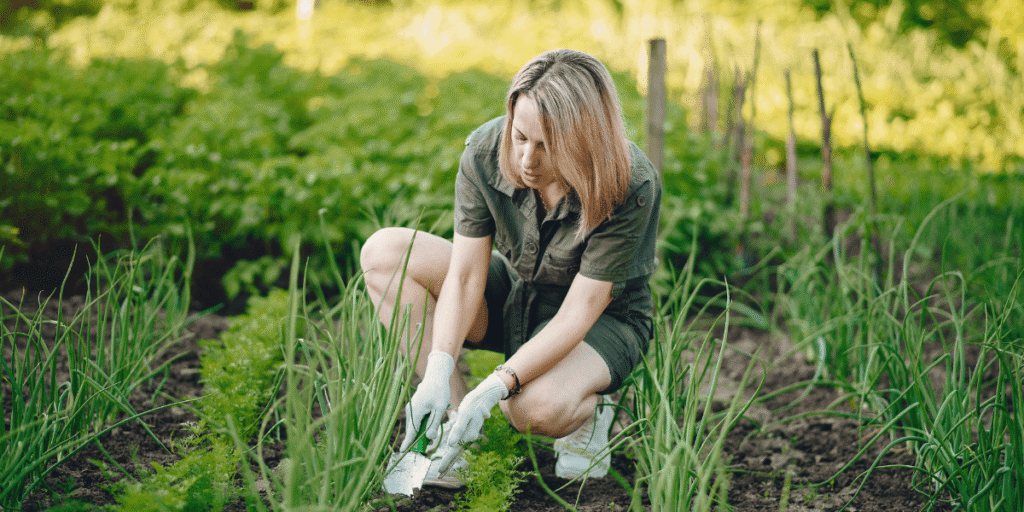
Gardening should be about enjoying your plants and watching them thrive, not battling weeds every weekend. But let’s be honest: weeds are one of the most common challenges gardeners face. Learning how to prevent weeds in garden spaces not only saves time and effort but also creates healthier, more productive beds for your plants to flourish.
In this article, we’ll walk through practical strategies, from soil preparation to ongoing care, to help you keep weeds under control naturally and effectively.
Understanding the Weed Problem
Weeds thrive because they’re opportunists. They sprout quickly, reproduce fast, and take advantage of bare soil. When your garden soil is exposed or disturbed, weed seeds just waiting in the soil can germinate and quickly fill the gaps between your plants.
Preventing weeds isn’t only about stopping them after they grow; it’s about creating conditions where they simply don’t get a chance to take root.
Core Principles of Weed Prevention
Learn about the fundamental principles of weed prevention below:
1. Start with Healthy Soil
Healthy, nutrient-rich soil provides your desired plants with a strong foundation, giving them a head start in growth. It also makes it more difficult for weeds to compete, as they struggle to establish themselves in well-conditioned soil. Amending soil with compost or organic matter significantly improves its structure, enhances moisture retention, and boosts fertility. As a result, your plants grow more vigorously, while weeds find it harder to gain a foothold and spread.
And if you’re seeking professional help with soil preparation or garden maintenance in Dubai, Afnan Garden Design can assess your soil and implement a long-term strategy for weed reduction.
2. Use Mulch to Block Weed Growth
One of the most effective natural methods for preventing weeds in your garden is applying mulch. A layer of organic mulch, such as straw, wood chips, or shredded bark, works by shading the soil, thereby blocking sunlight that weed seeds need to germinate and grow. For optimal results, spread a 2 to 4 inch thick layer of mulch evenly around your plants and along garden beds to suppress weeds and retain soil moisture.
Mulch also helps retain soil moisture and moderates temperatures, benefiting your plants while keeping weeds suppressed. This is one of the key natural weed prevention methods for gardens recommended by gardening experts.
3. Plant Densely and Close Together
Leaving bare soil invites weeds to take hold and spread rapidly. To prevent this, when planting flowers, vegetables, or groundcovers, it is beneficial to plant them closely together. The dense foliage from these plants creates a canopy that significantly limits sunlight reaching the weed seeds lying on or just beneath the soil surface. This competitive planting strategy effectively reduces the chances of weeds establishing and thriving in your garden.
This approach is especially helpful in preventing weeds in flower beds, where plant gaps can quickly be filled by opportunistic weeds.
4. Employ Physical Barriers When Installing Beds
Before establishing new garden beds, it’s important to prepare the area properly. Start by laying down weed barriers such as cardboard or newspaper, ensuring they are free of ink or tape to avoid chemical contaminants. Cover these barriers with a thick layer of mulch to further suppress weeds. These layered barriers block sunlight from reaching weed seeds below, preventing their growth while gradually decomposing to enhance soil fertility.
Although some gardeners use synthetic fabric weed barriers, many prefer biodegradable options, as they promote soil health and eliminate the need for long-term maintenance, making garden care more sustainable.
Proactive Tips for Garden Weed Control
Keeping weeds out of your garden doesn’t stop after installing mulch or planting densely. A proactive mindset can make a big difference.
1. Water Strategically
Weeds require water just like your other plants do. However, watering the entire garden indiscriminately can lead to soil oversaturation, which inadvertently encourages weed seeds to germinate and grow in unwanted areas.
To prevent this, use targeted irrigation techniques such as soaker hoses or drip systems. These methods deliver water directly to your plants’ roots, keeping the surrounding soil drier and less inviting to weeds. This also ties into another key garden priority: how to keep pests out of your garden. By avoiding excessive moisture, you make conditions less attractive for both weeds and pests.
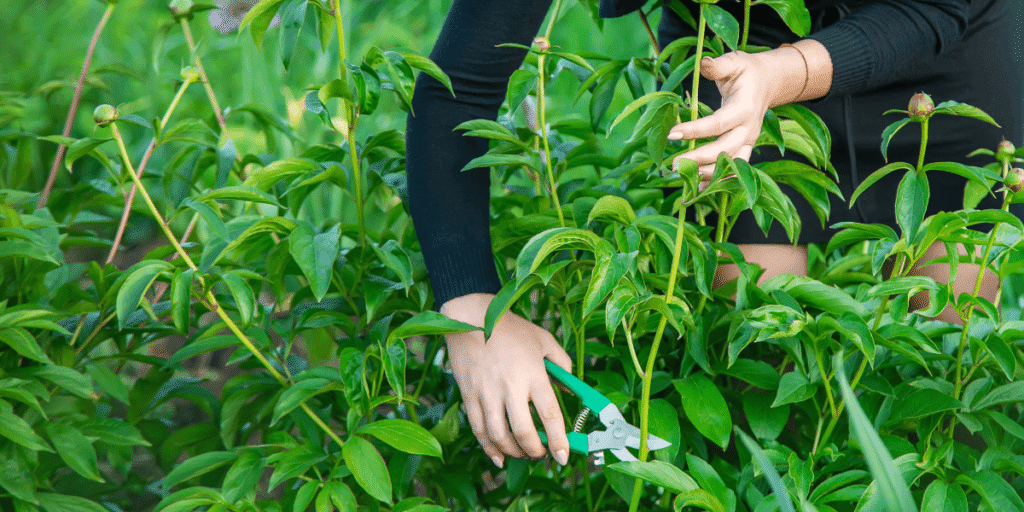
2. Weed Early and Often
Regular weeding, especially when weeds are small, is an effective and time-saving practice. Removing young weeds prevents them from establishing deep, strong root systems that are more difficult to remove later. Using tools like hand hoes and weeding forks allows you to scrape weeds just below the surface, minimizing soil disturbance.
This approach not only makes removal easier but also reduces the chances of disturbing weed seeds in the soil, helping to prevent future weed growth. A weekly quick check through your beds is more effective than letting weeds grow unchecked for weeks.
3. Cut Off Weed Heads Before They Seed
Even if a weed sprouts, the key to controlling its future spread is to remove its flowers before they develop seeds. By consistently plucking or destroying the flowering part of the weed, you prevent seeds from forming and dispersing, thereby significantly reducing the chances of new weeds sprouting later. This simple daily habit can have a profound long-term effect, greatly diminishing weed pressure year after year, making your garden or field easier to manage.
4. Introduce Cover Crops in Off-Seasons
Planting cover crops such as clover, ryegrass, or buckwheat during off-seasons is an effective strategy to enhance your garden’s health and productivity. These plants create a dense cover that naturally outcompetes weed seeds for sunlight, water, and nutrients, reducing weeds’ ability to establish. Additionally, when incorporated into the soil, they decompose and enrich it by adding vital organic matter, improving soil structure and fertility for future planting.
5. Minimize Soil Disturbance
Tilling or deep digging can disturb the soil and expose dormant weed seeds that have been lying hidden beneath the surface for a long time. This action often triggers a new round of weed growth. Instead of traditional tilling, consider adopting no-till gardening techniques whenever possible.
By adding compost and mulch on top of the existing soil, you create a natural barrier that suppresses weed growth without disturbing the soil or bringing up new seeds to the light, promoting healthier soil and easier maintenance.
Eco-Friendly Garden Weed Solutions
Many gardeners want solutions that are effective and environmentally responsible. Fortunately, you don’t need harsh chemicals to keep weeds in check.
Herbicide Alternatives
Natural options such as corn gluten meal serve as an effective method for preventing weed seeds from sprouting, thereby reducing unwanted weed growth. Additionally, these options contribute beneficial nitrogen to the soil, supporting healthy plant development in an environmentally friendly way.
Boiling Water Spot Treatment
Pouring boiling water directly onto small weed clusters, particularly those growing along walkways or nestled between pavers, can cause them to wilt and die. This method targets weeds without harming surrounding concrete or pavement, making it a useful, environmentally friendly weed-control technique.
Organic Vinegar Sprays
Applying higher-acidity vinegar carefully can effectively dehydrate and kill young weeds, helping to manage unwanted garden growth without chemical herbicides. However, caution is essential, as improper application or spillage may harm your desirable plants. Always test on a small area first and keep the vinegar away from beneficial flora.
These tactics are great examples of eco-friendly garden weed solutions that keep your landscape healthy and safe.
FAQs
1. What are the most effective ways to prevent weeds naturally?
Using organic mulch, dense ground covers, and regular hand weeding helps prevent weeds naturally. Companion planting and crop rotation reduce open soil areas where weeds thrive, promoting a healthier garden without relying on chemicals.
2. How often should I check my garden for weeds?
Check your garden at least once a week. Frequent inspections allow early removal of small weeds before they spread seeds. Consistent monitoring prevents weeds from establishing and reduces long-term maintenance, keeping your garden tidy and productive.
3. Which plants or mulch can help reduce weed growth?
Plants like clover, creeping thyme, and dense ground covers suppress weeds naturally. Organic mulches such as straw, wood chips, or bark block sunlight, preventing weed seeds from germinating while retaining soil moisture for healthy plant growth.
4. Are chemical weed killers safe for vegetable gardens?
Most chemical weed killers are not recommended for vegetable gardens, as they can contaminate edible crops and soil. Opt for natural methods such as mulching, hand-weeding, or vinegar-based solutions to maintain a safe, organic garden.
5. How does proper watering and soil care prevent weeds?
Watering deeply and infrequently encourages strong plant roots, leaving less space for weeds. Healthy, nutrient-rich soil supports vigorous crops that outcompete weeds. Well-maintained soil structure reduces open areas where weeds can easily grow.
Final Thoughts
Weeds may be persistent, but you don’t have to wage a constant battle against them. By understanding how to prevent weeds in garden spaces, create strong plant communities, block sunlight to weed seeds, and use gentle, eco‑friendly practices, you can keep your garden looking tidy and thriving. A little planning goes a long way, and before long, you’ll spend more time enjoying your garden and less time uprooting unwanted guests.
If you need expert support to design or maintain a weed-resistant garden plan, consider professionals experienced in garden landscaping in Dubai, like Afnan Garden Design, to bring your ideal outdoor space to life.