

Interlocking paving stones offer a durable option for driveways, patios, sidewalks, and pool decks, allowing for creative designs and improved curb appeal.
With various available stones, it’s easy to feel overwhelmed when choosing the right look for your property.
Read this blog, and we’ll break down the basics to help you choose the best interlocking paving stones.
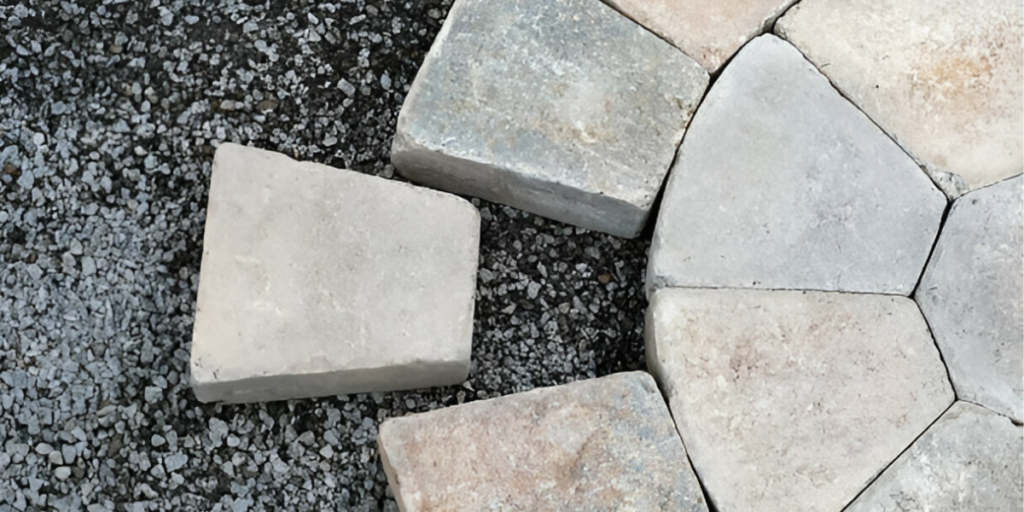
Interlock Paving Stone Material
Interlocking paving stones can be made of different materials and sizes. Some new ones appearing in residential and commercial spaces are made of marble, travertine, and porcelain. Traditionally, they have been made with concrete, natural stone, or brick.
Concrete:
It is made from molded concrete blended and mixed with aggregate. Concrete interlock stones come in many colors and styles. They can be dyed to look like brick and made in factories at scale, making them affordable.
They are also durable and strong; a sealant can preserve their color. These pavers are designed with small gaps between them that allow for water drainage. The concrete interlock stones are durable and ideal for driveways or high-traffic areas.
Natural Stone:
These interlocking paving stones are made from materials like sandstone, granite, and limestone. They offer a unique and beautiful look but are more expensive than other materials. Since we have mentioned sandstone and if you are searching for it, then you can contact Afnan Garden Design, the best sandstone block supplier in Dubai.
Natural stones are absorbent and work well around pools. Limestone pavers are best for edging. On the other hand, the travertine pavers are sturdy against weather and don’t need to be cleaned often for a low-maintenance option.
However, natural stone choices are less durable than concrete or composite. They can break easily if installed in high-traffic areas. Natural stone is best used in patios or garden paths, which won’t experience heavy weight.
Brick:
The brick interlock is solid and stain-resistant and available in various colors and textures. It is created from baked clay. Using a sealant can keep it safe from fading and preserve the look.
These bricks can also be positioned with small gaps that allow water drainage. Brick is one of the most durable interlock stone materials, so consider it for your driveways and walkways. The red tone also looks amazing next to the gardens or as paving for outdoor patios.
Design and Style
Interlocking paving stones are diverse, allowing you to build a design that suits your unique taste.
For example, you could create a diagonal herringbone pattern, which gives the design a contemporary feel.
Alternatively, you can use stones for basket weave styles that are more straightforward and don’t look too busy.
Before deciding on the material for your paving, consider the style you want to create. Is it modern, contemporary, or traditional?
Modern
A modern design has smooth textures, straight lines, and large sizes.
Contemporary
To achieve the contemporary style, you can use both smooth and textured pavers in the same space. The stones are installed in a puzzle-like way, so the design usually has modular lines.
Traditional
Interlocking paving stones come in small sizes and have either a textured or rounded surface. They create a more traditional look around your home.
You can also use your interlock stones to create shapes that will improve the look and appeal of your space. Some of the most common forms used are:
- Circular or half-circle
- Rectangle
- Hexagon
- Diamond
- Oblong
- Square
- Star
Things To Consider For Your Interlocking Stones
You’ll need to consider several aspects of interlock installation for your project. These include:
Purpose
Deciding where to install your interlocking stones will impact the type of stone you choose and the design.
Color
Paving stones are available in various colors and blends. You should select one that complements the space where you’ll install the interlocking stones.
Size
Interlocking paving stones are also available in various sizes. Knowing your options for sizing, from slab pavers to smaller brick styles, can help you narrow down the type of stone you want.
Texture
You’ll need to decide if you want a textured stone or a smooth look. Some designs will let you use both textures for a unique look suited to your property.
Final Thoughts:
With all the choices of interlocking paving, it can be overwhelming to know what to decide. Ask the professionals about the options and let them help you create an outdoor look you love. Just make sure you go for the one that goes very well with your home and adds a personality to your outdoors.
