
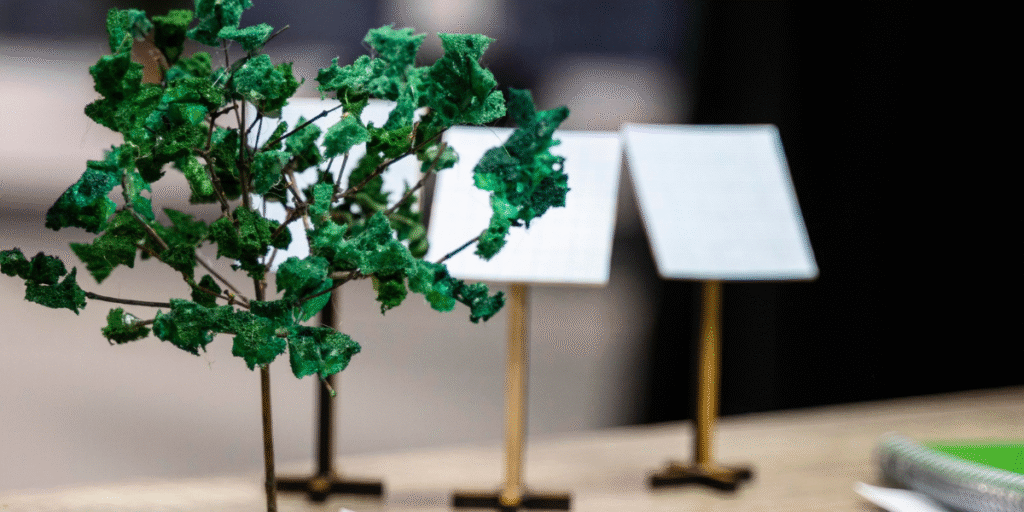
Sustainable landscaping is a movement shaping how homeowners design and maintain outdoor spaces. As we approach 2025, more people seek to reduce environmental impact while enjoying beautiful landscapes. From drought-resistant plants to smart irrigation, these trends create eco-friendly yards that enhance properties and protect the planet.
In this blog, we will explore all the best eco-friendly landscaping ideas for your home. Let’s get started!
Drought-Resistant Plants
A wonderful way to save water and design a beautiful, sustainable landscape is by incorporating drought-resistant plants. These amazing plants adapt beautifully to our seasonal climate, thriving even in dry spells. Native species such as coneflowers, black-eyed susans, and purple coneflowers endure drought conditions and provide vital support to our local friends, like bees and butterflies.
By picking plants that are naturally suited to our environment, you’ll find you can reduce the need for frequent watering, creating a lush and vibrant garden with less effort of maintenance.
Native Landscaping
Native plants thrive in local climate and soil conditions and play a wonderful role in eco-friendly landscaping. They require less water, chemicals, and maintenance than non-native species, making them an ideal choice for a garden. By putting native plants into your outdoor design, you’re taking a fantastic step towards creating a sustainable garden.
If you’re designing a cozy backyard oasis or a welcoming front landscape, choosing plants like milkweed, switchgrass, and purple prairie clover will help you save water and support your region’s rich biodiversity.
Plant Selection Strategies
When planning eco-friendly landscaping in Dubai, prioritize plants suited to your climate and soil. This reduces watering and fertilization needs. Choosing perennials means they return annually without replanting, developing deep roots that access moisture and nutrients better.
Considering mature plant sizes prevents overcrowding, while proper spacing enhances air circulation to reduce disease. Merging plants with similar water and light needs, or hydro zoning, ensures uniform watering. Adding edible plants like herbs, vegetables, and fruit trees makes your garden productive, cutting food miles and grocery costs.
If landscaping is a bit overwhelming due to a busy schedule or simply lacking the right equipment, there’s no need to worry. Afnan Garden Design has been around for quite some time, and we’re here to help. We offer landscaping services in Dubai to make sure that your plants get the best care possible!
Implementing Composting Practices
Composting embraces sustainable gardening. Create nutrient-rich compost by gathering kitchen scraps, yard waste, and fallen leaves in a special bin or pile composting. To craft a great compost mix, be sure to include both greens and browns.
Keep your compost pile slightly damp, just right, but not soggy, and turn it regularly to let in some fresh air. This helps speed up the decomposition process. In about 3–6 months, you’ll be amazed to find dark, crumbly compost perfect for your garden.
Adding this “black gold” to your plants makes such a difference; it boosts soil structure, improves water retention, and attracts beneficial microorganisms. Make it a habit to apply a 1-2 inch layer of compost around your plants each season for continuous soil improvement.
Developing Rich Topsoil Naturally
Building healthy topsoil isn’t easy, but some excellent practices can speed things up. One great method is the no-till approach, which helps maintain soil structure and protects precious little organisms like earthworms and fungi that naturally aerate and enrich our soil.
Using organic materials for mulching, such as straw, bark, or leaf litter, not only helps retain moisture and suppress pesky weeds but also breaks down over time to nourish the soil. Just apply a lovely 2-3-inch layer around your plants, keeping it a bit away from their stems.
Cover crops like clover, buckwheat, and winter rye prevent off-season erosion and add organic matter to the soil. They attract beneficial insects, supporting ecosystem health. Mixing flowers, vegetables, and herbs creates diverse plantings that enhance soil biology, mimicking natural environments and building resilient soil over time.
Water Conservation in Landscaping
Water is a precious resource, so conserving it is vital for sustainable landscaping. Careful planning can significantly reduce water use in your garden. Choosing native or drought-tolerant plants that require less watering enhances efficiency and minimizes maintenance. Unlike traditional sprinklers, a drip irrigation system conserves water by delivering it directly to the roots. A rainwater collection system captures roof rain, provides free water for your garden, saves money, and reduces reliance on municipal sources.
Final Thoughts
These fantastic solutions for sustainable landscaping in Dubai will be a great fit for you. Remember not to overlook any amazing options, as they complement each other beautifully and will thrive over time. If you’d love to see your garden looking its best, it’s important to nurture it and stay attentive to both your actions and the choices you make for it. Afnan Garden Design offers the best eco-friendly and commercial landscaping services in Dubai. Contact us to learn more!
