
Watering your garden might seem straightforward, but once you start digging into the details, things can get complicated. Two of the most talked-about systems are drip irrigation and sprinkler systems. If you’ve ever wondered which one is better for your lawn or garden, you’re in the right place.
In this article, we’ll break down the comparison between drip irrigation and sprinkler systems and help you find the best irrigation method for gardens, especially if you’re based in the UAE or face arid-climate challenges.
Understanding the Basics of Irrigation
Before we dive into the comparison between home garden irrigation, let’s cover the foundation. Irrigation simply means supplying water to plants in a controlled way. If you’re growing roses, vegetables, or turfgrass, the goal is to deliver the right amount of water at the right time.
There are many ways to do this, but two popular approaches are:
- Drip irrigation: slow, steady delivery directly to plant roots
- Sprinkler systems: overhead watering that mimics rainfall
Both have their advantages and drawbacks, and the best choice depends on your plants, soil, and watering goals.
What is Drip Irrigation?
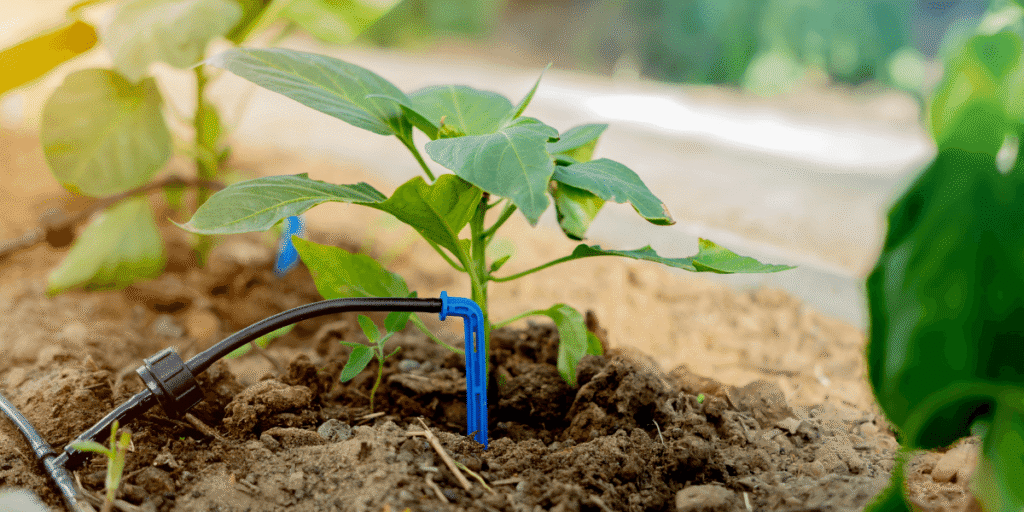
Drip irrigation supplies water directly to the roots of plants using a system of tubes and emitters. Instead of spraying water into the air, it “drips” water slowly and consistently onto the soil.
Key Advantages
- Water Efficiency: Since water is delivered right where roots need it, waste is minimized.
- Reduced Evaporation: Less water evaporates compared to overhead systems, making this ideal for hot climates like the UAE.
- Healthier Plants: Consistent soil moisture reduces plant stress and can improve growth and yield.
- Minimal Runoff: Slow application helps water absorb into the soil without pooling.
Potential Drawbacks
- Initial Setup: Drip systems can take more planning and effort to install.
- Maintenance: Emitters can clog if not properly filtered or cleaned.
- Coverage: Not ideal for large open lawns since it’s designed for specific plant zones.
What are Sprinkler Systems?
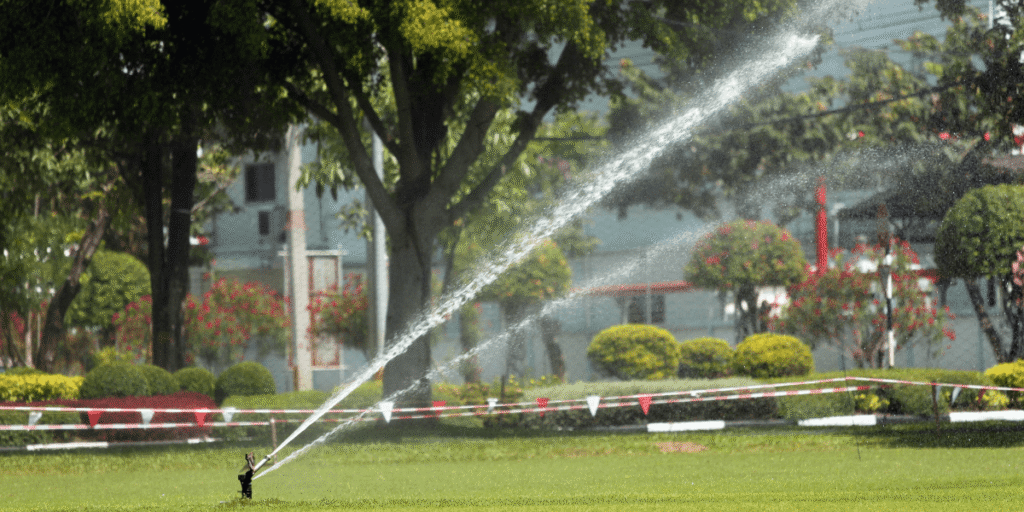
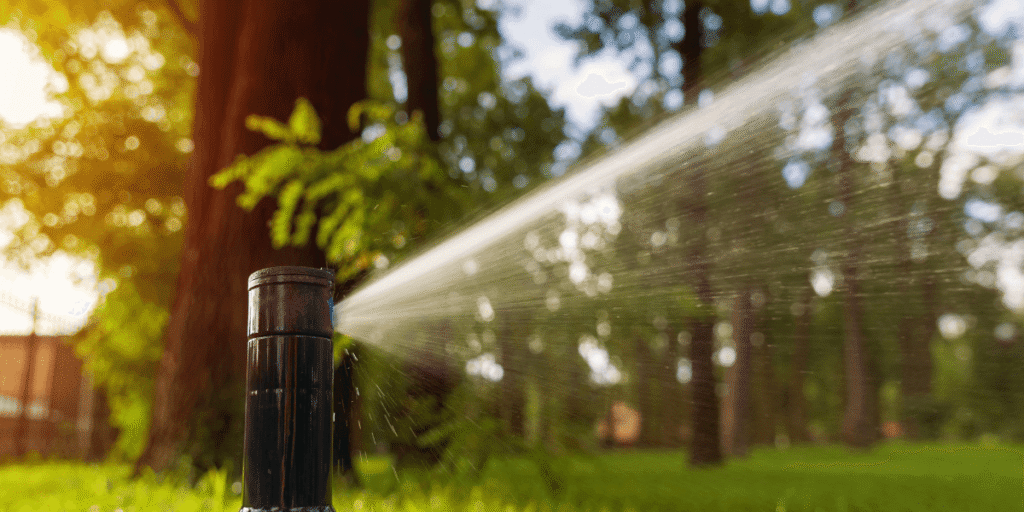
Sprinkler irrigation pumps water through pipes and sprays it into the air so that it falls like rainfall. These systems can be pop-up style for lawns or fixed above-ground sprinklers for gardens.
Key Advantages
- Good Coverage: Sprinklers are excellent for watering large areas, such as lawns and large gardens.
- Ease of Use: Installation can be simpler, especially for basic above-ground sprinklers.
- Even Distribution: It can water large sections evenly with the right configuration.
Potential Drawbacks
- Water Loss: Spraying water into the air increases evaporation, especially in hot, dry weather.
- Wind Drift: Wind can blow water away from where it’s needed.
- Disease Risk: Regularly wetting plant foliage can increase disease risk for some plants.
Drip Irrigation vs Sprinkler Systems
Let’s look at how these two systems perform when compared directly across key factors.
1. Water Efficiency
When saving water, drip irrigation is better because it delivers water to the plant roots and uses much less water than other methods. This is important in regions with limited water supply or strict irrigation rules.
Sprinklers, on the other hand, lose more water to evaporation and wind, making them less efficient in arid climates.
2. Plant Type Adaptability
When selecting an irrigation system, plant type and layout are key factors. Drip irrigation is best suited for garden beds, shrubs, trees, and any area where plants are spaced irregularly, as it delivers water directly to the root zone to accommodate individual needs.
In contrast, sprinklers are ideal for lawns or gardens with uniform plant spacing, where a broader, overhead distribution can efficiently cover large, open areas.
3. Installation & Maintenance
Sprinklers are often easier to set up for beginners, especially when starting with a simple above-ground setup. However, complex systems may require professional installation.
Drip systems can be relatively low-maintenance, but they require periodic flushing and filter cleaning to prevent clogging.
4. Cost Considerations
Initial costs vary. A basic sprinkler can be cheap, but advanced automated systems can add up. Drip systems, while potentially pricier upfront due to emitters and tubing, often save money over time through water efficiency.
5. Ideal Use Cases
When considering ideal use cases, drip irrigation and sprinklers serve distinctly different purposes. Drip irrigation is the preferred choice for flower beds and vegetable gardens, as it excels at water conservation by delivering water directly to plant roots.
In contrast, sprinklers are the go-to system for maintaining lawns and large turf areas, where their broad coverage is most effective.
Efficient Watering Techniques to Maximize Performance
Regardless of which system you choose, proper watering techniques play a huge role in the success of your garden. Here are a few tips to get the most out of your irrigation setup:
1. Water Early or Late
Water during cooler periods (early morning or late evening) to reduce evaporation and ensure the soil absorbs moisture effectively.
2. Match Watering to Plant Needs
Different plants have different water requirements. Group similar plants together so they receive appropriate water levels.
3. Seasonal Adjustments
Adjust watering schedules according to the season, less in cooler months, more during heat waves.
4. Regular System Checks
Check for leaks, clogs, or misdirected water. Regular maintenance keeps any irrigation system efficient.
Choosing the Best Irrigation Method for Gardens
Still wondering which is right for you? Ask yourself:
- Do you have large grassy areas that need even coverage? Sprinkler systems might be your best bet.
- Are you focused on plants that need regular, direct moisture? Drip irrigation could be the efficient choice.
If your priority is efficient watering techniques that reduce water waste and keep each plant happy, drip irrigation often comes out on top. But if you’ve got a lawn or need broad, uniform watering, sprinklers have their place too.
And if you’re considering a full garden overhaul or a complete irrigation design, professional help can make a big difference. We at Afnan Garden Design provide landscaping services in Dubai and install irrigation systems that match your garden’s exact needs.
Long-Term Maintenance and Care
Installing an irrigation system is only the first step. Regular care helps keep it working properly and protects your investment for many years. Both drip and sprinkler systems need routine checks to ensure water flows efficiently and plants receive the right amount of moisture.
For Drip Systems
- Flush lines occasionally to prevent clogging.
- Replace worn-out emitters.
- Inspect tubing for leaks or breaks.
For Sprinkler Systems
- Check for broken heads or uneven spray patterns.
- Adjust for plant growth or lawn changes.
- Winterize if temperatures drop (if applicable).
With periodic attention and small adjustments, both irrigation systems can continue working reliably and provide consistent watering year after year.
Home Garden Irrigation Comparison: What Should You Choose?
Choosing between drip irrigation and sprinkler systems is not about picking a “good” or “bad” option; it’s about finding what fits your garden’s needs.
- If water efficiency and plant-specific watering matter most: Drip irrigation
- If you need wide, even watering for turf or grass: Sprinkler systems
- If you want a mix for different garden zones: A combination of both
Understanding your plants, soil, and climate will guide smart decisions.
FAQs
1. What is the difference between drip irrigation and sprinkler systems?
Drip irrigation delivers water slowly at the plant’s roots through small tubes or emitters. Sprinkler systems spray water over a wider area, similar to rainfall, watering lawns and large landscapes.
2. Which irrigation system saves more water?
Drip irrigation usually saves more water because it delivers moisture directly to plant roots with minimal evaporation or runoff. Sprinklers cover larger areas but can lose water through wind drift.
3. Are drip systems better for flower beds and vegetable gardens?
Yes, drip systems work well for flower beds and vegetable gardens. They provide steady moisture directly to the soil near roots, helping plants grow healthier while reducing water waste.
4. How do installation costs compare between drip and sprinkler systems?
Drip systems can cost less for garden beds, but sprinkler systems may be more economical for large lawns because they use simple tubing and emitters. Sprinkler systems may require more piping, valves, and professional setup.
5. Can I use both systems together for optimal watering?
Yes, many landscapes use both systems together. Sprinklers efficiently water lawns and large spaces, while drip irrigation targets garden beds, trees, and shrubs that need slow, precise watering.
Final Thoughts
In the debate over drip irrigation vs sprinkler systems, both options have their place in watering gardens and landscapes. The choice comes down to your specific needs: watering efficiency, coverage area, plant type, or climate suitability. If you choose drip lines that gently feed roots or sprinklers that shower your lawn, understanding how each system works will help you create a thriving garden that stays lush and healthy.
If you’re planning a garden layout, upgrading your irrigation, or need professional advice, service providers can help you design and implement an irrigation system for your space. For expert assistance with garden landscaping in Dubai, reach out to Afnan Garden Design, your partner in creating beautiful, sustainable outdoor spaces.