
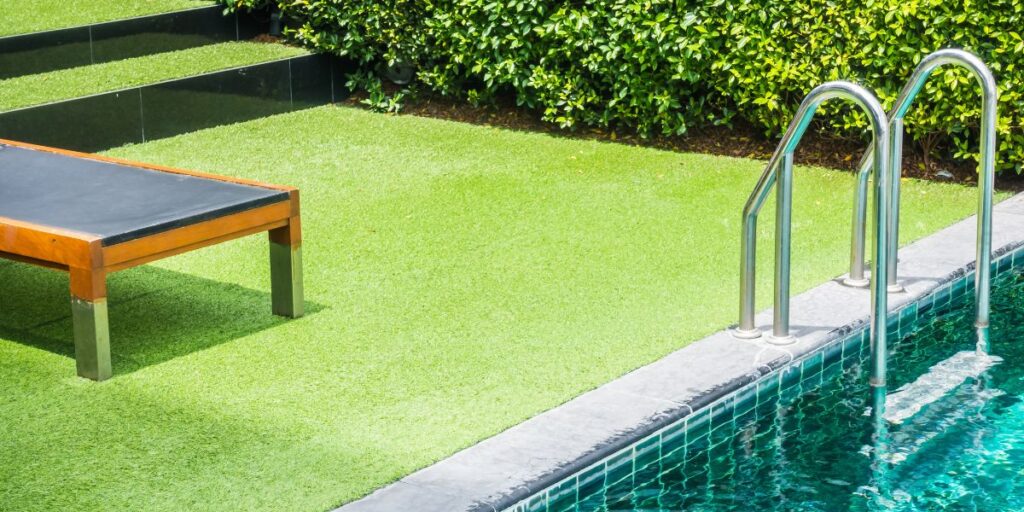
If you want low maintenance and big water savings, artificial turf can be attractive. If you want natural cooling, biodiversity, and the feel of a living lawn, natural grass wins. The right choice depends on your villa’s exposure, water budget, family and pet needs, and how you use the outdoor space.
Which Grass Is Best For Dubai’s Weather?
Natural Grass Options (Bermuda, Zoysia, Paspalum)
For Dubai’s heat and low-rain environment, warm-season grasses such as Bermuda and Zoysia are commonly recommended because they tolerate high temperatures and recover from drought and foot traffic better than cool-season species. Paspalum is also used where salinity or reclaimed water is part of the irrigation plan.
Artificial Grass
Modern artificial turf comes in several fiber types and infills and can be engineered to feel soft and look realistic year-round. Newer products offer UV stabilization, improved drainage, and alternative infills to reduce odor and heat retention.
Artificial Grass Vs Natural Lawn
Pros of Artificial Grass
Artificial turf delivers a consistently green look, cuts watering needs dramatically, removes mowing and fertilizing tasks, and can last 15+ years with proper installation and upkeep. For busy homeowners or water-restricted areas, those are big advantages.
Cons of Artificial Grass
The main trade-offs are upfront installation cost and surface temperature. Synthetic turf can run significantly hotter than natural grass on sunny days because it doesn’t cool through evapotranspiration; this can affect bare feet, pets, and comfort in midday sun. There are also ongoing debates about chemicals found in some turf systems.
Pros of Natural Grass
This method of landscaping naturally cools the surrounding microclimate, making outdoor spaces more comfortable. It also supports various insects, enhances biodiversity, and promotes healthy soil life, contributing to a balanced ecosystem. Additionally, it provides a softer, more natural underfoot feel and creates a vibrant, eco-friendly landscape that benefits the environment.
Cons of Natural Grass
This plant requires significantly more water intake to remain healthy and thrive in the hot, arid climate of the UAE. It needs regular mowing and fertilizing to maintain its appearance. Additionally, it demands ongoing pest control and careful irrigation management, especially during the extreme summer heat, to prevent damage.
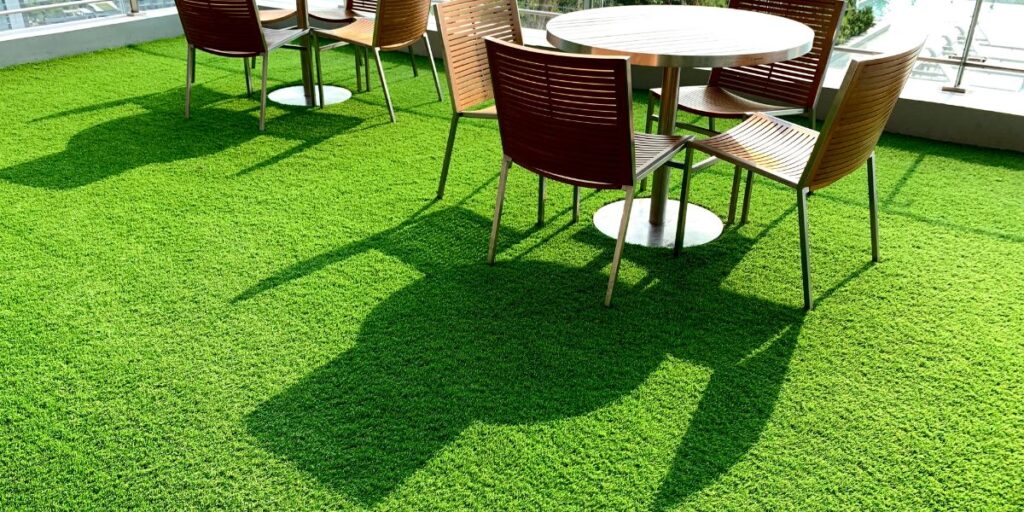
Practical Concerns for UAE Homes
Does Fake Grass Get Too Hot In The UAE?
Yes, it can, especially on dark-colored turf and in direct sun. Surface temperatures of some synthetic fields have been measured tens of degrees higher than the ambient air temperature. You can reduce heat by choosing lighter-colored fibers, cooling infills, shading, or mixing natural planting with turf in high-activity zones.
Is Artificial Turf Safe For Pets?
Many turf manufacturers and installers design pet-friendly systems that drain well and use pet-safe infills; with correct maintenance (regular rinsing, solid-waste removal, enzyme cleaners), artificial lawns can work for dogs and cats. That said, product choice matters: some older turf systems and certain infill materials have raised questions about chemical exposure, so pick certified, PFAS-free products where possible and follow manufacturer cleaning guidance.
How To Choose Grass For Villas
Ask yourself:
- How much shade vs sun does the garden get?
- Do you have a strict water budget?
- Are kids or pets using the space heavily?
- Do you prefer a low-maintenance landscape or a living ecosystem?
If the priority is play areas or low water use, artificial turf in the play zones, combined with planted beds or shade trees, can be a balanced approach. For large show-lawns with irrigation available and an appetite for maintenance, warm-season natural grasses (Bermuda or Zoysia) perform well in Dubai conditions.
Thinking of Installation?
If you decide on synthetic turf, go with a trusted commercial-grade product and certified installers. For an expert, local option, consider artificial grass installation service in Dubai from professionals. Get in touch with Afnan Garden Design for a site visit and tailored quote.
FAQs
Q1: Which grass is the best for Dubai’s weather?
Warm-season varieties like Bermuda and Zoysia are often advised for Dubai’s hot climate and limited rainfall.
Q2: Will fake grass melt in high UAE temperatures?
It won’t melt, but it can reach high surface temperatures that are uncomfortable for bare feet and pets; choose cooling options and shade.
Q3: How much water does a natural lawn need in the UAE?
A healthy natural lawn in Dubai typically requires regular, efficient irrigation; the exact amount varies with species, season, and shade. Efficient systems and drought-tolerant varieties reduce demand.
Q4: Is artificial turf bad for the environment?
Turf saves water and reduces pesticides, but is made from plastics and can shed microplastics; weigh water savings against lifecycle impacts.
Q5: Can pets use artificial grass safely?
Yes, if you choose pet-safe materials, provide regular cleaning, and avoid rubber crumb infills that may retain odor or contaminants.
Final Thoughts
There is no one-size-fits-all answer when it comes to the pros and cons of artificial grass vs a natural lawn. For strict water savings and low maintenance, modern artificial turf is a strong choice; for cooling, ecosystem benefits, and a living landscape, natural warm-season grasses are preferable. Most UAE homeowners land on a hybrid solution: artificial turf in high-use or water-limited zones, and natural plantings or shaded lawn areas where cooling and biodiversity matter.If you need local support, we can advise you on product selection and offer professional landscaping services in Dubai customized to your villa and family needs.
