
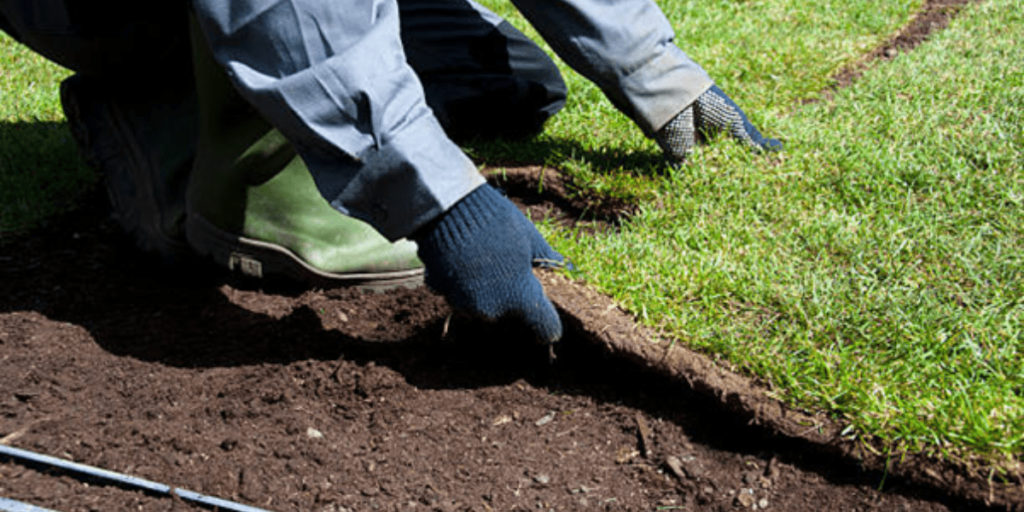
As the allure of artificial turf continues to captivate, more individuals are opting for the lush greenery it provides without the hassle associated with natural grass. Beyond its pristine aesthetic, artificial turf offers a low-maintenance alternative to traditional lawns. However, achieving the pinnacle of perfection in installation demands meticulous attention to detail. In this comprehensive step-by-step guide to artificial grass installation, we will intricately walk you through the process.
Base Preparation: Crafting the Canvas
If you want to know how to install artificial grass on soil, this guide is for you. Clear the installation area of any remnants of natural grass, weeds, or debris to create a clean canvas for the artificial turf. Utilize specialized tools to remove the top layer of soil for a pristine foundation. Level the ground with care and create a slight slope for effective drainage, using a landscaping rake to guarantee an even surface with water flowing away from structures. Lay down a premium weed barrier fabric over the prepared surface, not only thwarting weed growth but also introducing additional stability to the base.
Compacting the Base: Ensuring Stability
Stability is the bedrock of a lasting artificial turf installation. Utilize a plate compactor to compact the soil, a crucial step that minimizes the risk of uneven settling over time. Introduce an additional layer of stability by spreading crushed gravel or decomposed granite over the compacted soil, aiding in proper drainage. Repeat the compaction process so that the base material is not just compacted but firmly packed, forming a solid and level surface ready to embrace the artificial turf.
Custom Fitting Turf: Tailoring Perfection
With the foundation prepared, it’s time to custom-fit the artificial turf to the designated area. Unroll the turf over the prepared base so that it can acclimate to the environment for a few hours. Trim the turf with precision using a sharp utility knife so that the edges are straight and the turf fits snugly against borders or structures.
Securing Edges: Anchoring the Vision
The longevity of your artificial turf installation is ensured by securing the edges effectively. Landscaping stakes become your allies in this phase, strategically placed around the perimeter and along seams to anchor the turf in high-traffic areas. For an added layer of security, galvanized nails or turf staples fasten the edges to the base material, spaced at regular intervals along the perimeter.
Tucking Turf Edges: Seamless Integration
Achieve a clean and polished appearance by tucking the edges of the turf under surrounding natural features such as flower beds, walkways, or fences. This seamless integration not only enhances the curb appeal but also contributes to the overall professional look of the installation. Secure the tucked edges with landscaping stakes or adhesive, safeguarding against any lifting or shifting over time.
Applying Filler: Weighing Perfection
Evenly spread the chosen infill material, whether sand or rubber, over the turf, using a spreader or by hand. This strategic step adds weight to the turf, providing support for individual blades. Work the infill material into the turf with a power broom or a stiff brush for proper distribution, preventing compaction, and promoting the upright stance of the turf blades.
Bottom Line
Achieving a perfect artificial turf installation is an art that demands attention to each step of the process. It is better to consult experts who can install artificial grass seamlessly in your home or anywhere else. Afnan Garden Design is one of the leading outdoor designers in the UAE. We can design your landscape in the UAE and transform your space entirely.
