
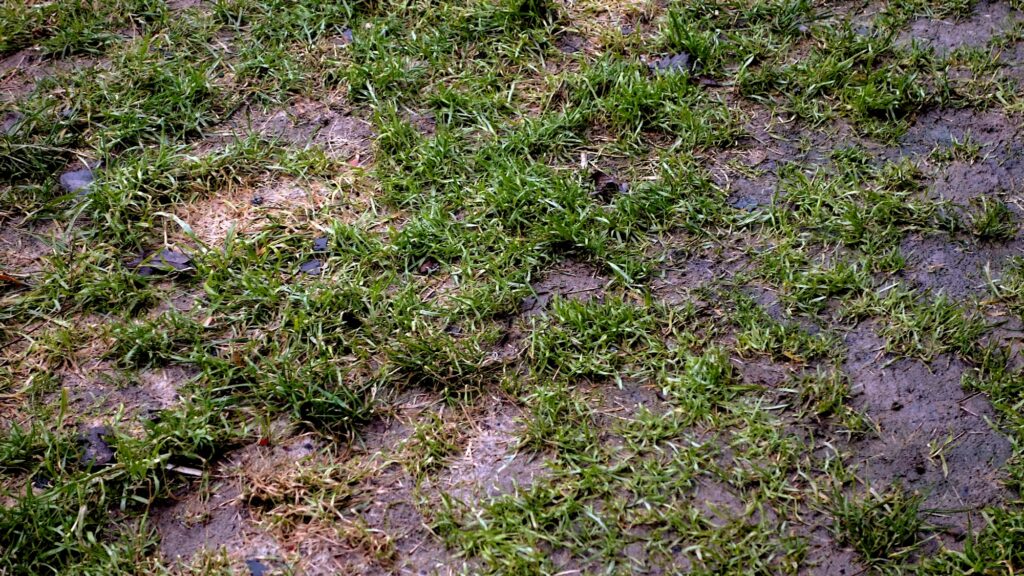
Heavy rainfall can significantly impact your garden, bringing both benefits and challenges. While the rain provides much-needed moisture, it can also lead to waterlogging, soil erosion, and plant damage. To make sure your garden after rain bounces back and thrives, follow these seven essential gardening tips.
Whether you’re an experienced gardener or a beginner, these strategies will help you manage the aftermath of heavy rain after planting the garden.
1. Assess the Damage
After a heavy rain, take time to assess the condition of your plants. Look for signs of damage, such as broken branches, bent stems, or waterlogged roots. Assessing plant health allows you to prioritize care and prevent long-term issues. Additionally, inspect your garden for signs of soil erosion or water runoff. Heavy rain can wash away topsoil and expose plant roots. Identifying areas of erosion is necessary for maintaining soil quality and preventing further damage.
2. Improve Drainage
If your garden has areas with standing water, improving drainage is essential. Consider adding compost or peat moss to increase the drainage capacity of the soil. You can also create channels or swales to redirect excess water away from vulnerable plants. Consider using raised beds if you frequently encounter drainage problems. Raised beds provide better drainage and protect plants from waterlogging.
3. Prune Damaged Plants
Heavy rain and strong winds can cause branches to break or become damaged. Prune these branches to prevent further stress on the plant and promote healthy growth. Use sharp tools to make precise cuts, and focus on maintaining the plant’s natural shape.
Planting after rain increases, so your plants may experience a growth spurt. Trim overgrown foliage to improve air circulation and reduce the risk of fungal diseases. Pruning encourages healthy growth and helps maintain a tidy and attractive garden.
4. Replenish Nutrients
Heavy rain can leach essential nutrients from the soil, leaving your plants nutrient-deficient. Replenish these nutrients by applying a balanced fertilizer. Focus on fertilizers rich in nitrogen, phosphorus, and potassium to support plant recovery and growth. Incorporate organic matter into the soil to increase its fertility and structure.
5. Manage Weeds
Heavy rain can encourage weed growth, competing with your plants for nutrients and space. Remove weeds regularly to prevent them from establishing deep roots. Use hand tools or a hoe to uproot weeds without disturbing nearby plants. Apply a generous layering of mulch around your plants to suppress weed growth.
6. Monitor Pest Activity
Heavy rain can lead to increased pest activity in your garden. Monitor your plants thoroughly for signs of pest infestations, such as chewed leaves or discolored foliage. Common pests to watch for include slugs, snails, and aphids.
You can choose natural pest control methods to manage infestations. Introduce insects like ladybugs or lacewings, which feed on harmful pests. Alternatively, use organic insecticides or homemade remedies to deter pests without harming the environment.
7. Encourage Root Recovery
Heavy rain can compact soil, hindering root growth and oxygen exchange. Aerate compacted soil by gently loosening it with a garden fork or aeration tool. This process improves drainage and encourages healthy root development. Some plants may need additional support after heavy rain, especially if their roots are waterlogged. Stake or tie plants that have become weak or lean to prevent them from collapsing.
Summing It Up
Heavy rainfall presents both challenges and opportunities for gardeners. By following these essential gardening tips, you can restore your garden’s health and ensure its continued growth and vibrancy. At Afnan Garden Design, we provide exceptional garden maintenance services in Dubai. Whether you need artificial grass installation or regular maintenance, we have got you covered
