
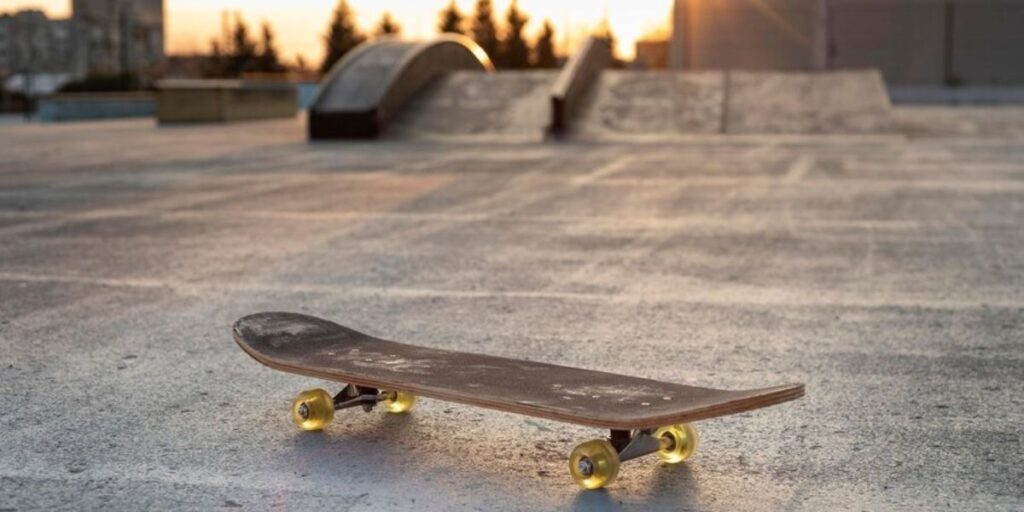
A well-designed skate park provides a dynamic and engaging environment for skaters of all skill levels. When done correctly, it enhances the skating experience, promotes safety, and fosters a strong sense of community. However, many projects fall short due to common skate park mistakes that can negatively impact usability and safety.
Understanding how to design a skate park correctly ensures that skaters enjoy a seamless and enjoyable experience. Here are three major skate park design mistakes to avoid. Let’s start!
Ignoring Skateboarding Disciplines
Many skate parks make the mistake of catering to only one or two styles of skateboarding, limiting the park’s appeal and accessibility. While some skaters prefer technical street tricks using ledges, rails, and stairs, others enjoy the fluid motion of bowl and transition skating. A one-dimensional design prevents a wide range of skaters from fully utilizing the space.
A skate park should incorporate a variety of elements suited for different disciplines to create an inclusive and dynamic environment. Street obstacles such as stairs, handrails, and grind ledges offer technical challenges, while bowls, mini ramps, and quarter pipes provide smooth transitions for those who enjoy flowing aerial movements. Designing a park that accommodates both street and transition styles ensures that all skaters, from beginners to professionals, can find something to enjoy. A well-balanced design fosters a welcoming atmosphere and encourages the growth of a diverse skating community.
Poor Safety Design
One of the most critical aspects of skate park design is safety. Poorly planned parks with sharp edges, uneven surfaces, or improper transitions can lead to frequent injuries and discourage skaters from returning. A safe environment enhances the overall experience and allows skaters to push their limits with confidence.
A fundamental part of ensuring safety is maintaining smooth surfaces. Concrete should be properly finished to eliminate cracks, chips, or rough patches that could cause accidents. Coping, which is the metal edge at the top of ramps, must be installed securely to provide a reliable grinding surface and prevent unexpected slips.
Transitions play a crucial role in maintaining flow and safety. Abrupt or poorly designed transitions can disrupt movement and lead to falls. Ensuring smooth, gradual curves allows skaters to maintain momentum without sudden jolts. Clear lines of sight are also essential to prevent collisions. Skaters should be able to see other riders approaching, reducing the risk of accidents. Additionally, safety railings should be installed in areas with steep drops or elevated platforms to minimize fall risks.
If you’re unsure how to design a skate park that prioritizes safety, consulting professionals who specialize in skate park construction can help create a secure and enjoyable space.
Poor Flow and Design
A skate park with poor flow leads to congestion, frustration, and safety hazards. Skaters rely on continuous motion, and an inefficient layout disrupts movement, making it difficult to navigate the park smoothly. Poorly placed obstacles and cramped spaces can result in unnecessary stops, backtracking, and increased collision risks.
A well-designed skate park ensures a logical flow that allows skaters to transition smoothly between different features. Obstacles should be arranged in a way that enables continuous movement rather than forcing abrupt stops. Thoughtful placement of ledges, rails, ramps, and bowls helps skaters maintain momentum and enjoy a fluid ride.
Spacing is another crucial factor in avoiding congestion. Parks that cram too many features into a small area create unnecessary crowding, reducing the overall enjoyment. Designing with different skill levels in mind is also essential. Including beginner-friendly areas with smaller ramps and rails ensures that new skaters can practice safely without interfering with more advanced riders.
For an optimal skating experience, a park should seamlessly connect different sections, including street elements, transition areas, and bowls. When executed properly, this design approach allows skaters to explore the park freely and create their own unique lines without interruption.
Final Thoughts
Avoiding these common skate park mistakes will ensure that the park remains a welcoming and functional space for skaters of all levels. A thoughtful approach to design that considers multiple skateboarding disciplines prioritizes safety and ensures a smooth flow, which will create an engaging and long-lasting skate park. By taking these factors into account, you can design a skate park that fosters community, encourages progression, and provides an exciting environment for all who use it.
If you’re searching for the best skate park construction service in Dubai, just contact us at Afnan Garden Design; we’re here to help you build a skate park from scratch!
